Health and Safety Policy — Flat Clearance Queens Park
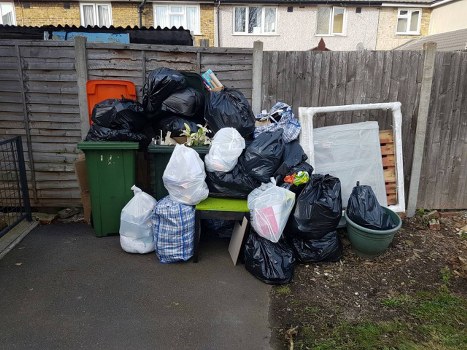 This document describes the Health and Safety Policy for flat clearance operations provided by our flat clearance and rubbish removal teams. Its purpose is to define a clear, practical approach to managing hazards, protecting staff, contractors and residents, and ensuring compliant waste handling across the rubbish company service area. The scope covers pre-clearance planning, on-site activity, transportation of material and disposal arrangements. The policy supports a culture of safety by setting out roles, expectations and operational controls for all personnel involved in flat clearance, junk removal and domestic rubbish collection tasks.
The organisation's leadership has primary responsibility for implementing and maintaining this policy. Managers will provide adequate resources, ensure risk assessments are carried out and that written procedures, training and supervision are in place. Employees and operative teams must follow instructions, use issued protective equipment and report hazards. Contractors engaged for specialist removal or hazardous waste handling must meet the same standards. Everyone on site is empowered to stop unsafe work and must be listened to; a proactive reporting culture is essential to reduce exposures associated with bulky rubbish removal and clearance projects.
 Comprehensive hazard identification and risk assessment are conducted before every job. Typical hazards include manual handling strains, slips, trips and falls, needle-stick or sharp items, asbestos suspicion, hazardous liquids, dust and noise. Control measures follow the hierarchy of risk control: eliminate, substitute, engineer, administrate and use personal protective equipment. Safe work method statements are prepared for high-risk tasks and communicated to crew members. Regular site checks verify that control measures for the rubbish collection and waste clearance activities remain effective throughout the job.
Training, Competency and Personal Protective Equipment
Training and competence form a cornerstone of this policy. All staff receive induction training covering safe lifting techniques, manual handling assessments, use of equipment such as trolleys and sack trucks, and vehicle loading procedures. Specialist training is provided for hazardous materials awareness, containment and segregation. Competency is assessed periodically and refresher courses are scheduled where necessary. Supervision ensures less experienced operatives are supported when undertaking complex flat clearance work or when operating in confined spaces.
 Personal protective equipment (PPE) is issued based on risk assessment and must be worn where required. Typical PPE used in flat clearance and rubbish removal services includes gloves suitable for sharp objects, high-visibility clothing, safety boots, eye protection and dust masks. The selection of PPE is reviewed to match the specific risks of each job. Maintenance, cleaning and replacement procedures ensure PPE remains effective and available at all times.
Operational standards are supported by routine inspections, vehicle and equipment checks, and documented pre-start checks. The organisation maintains clear procedures for waste segregation and handling to reduce contamination risk and ensure safe transfer to authorised disposal facilities. Key controls include:
- Segregation of general waste, recyclables and identified hazardous items;
- Use of labelled containers and secure packaging for sharp or liquid waste;
- Safe loading practices to prevent overloading and load shift during transport.
Operational Controls, Contractors and Emergency Preparedness
Working with contractors requires prequalification and confirmation of their safety systems. All sub-contractors engaged for removal, demolition or specialised disposal must provide evidence of training, appropriate insurance and hazardous waste handling competence. Vehicle movements and site access plans are prepared to reduce traffic risks and protect pedestrians during rubbish collection and clearance operations. Environmental controls minimise spillage, dust and contamination during transfer of material between properties and collection vehicles.
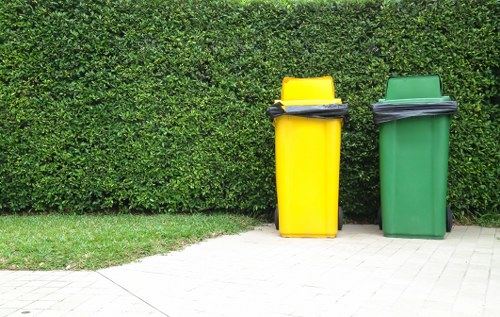 In the event of incidents, the organisation maintains clear reporting and emergency procedures. First aid arrangements, emergency contacts and incident escalation steps are readily available to on-site teams. Staff must report all injuries, near misses and unsafe conditions promptly so corrective actions can be taken. Fire safety and evacuation procedures are integrated into site planning, and operatives are briefed on assembly points and immediate control measures for typical emergencies encountered during flat clearance tasks.
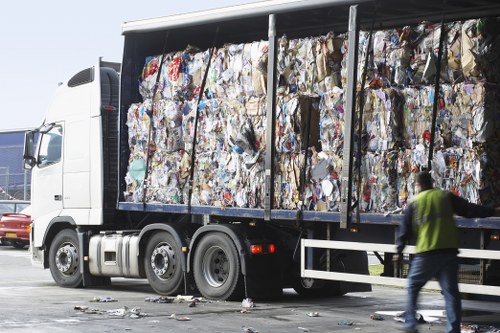 This policy is monitored and reviewed regularly to ensure continuous improvement. Performance indicators include incident rates, audit results, completion of training, and feedback from operational supervisors. Management commits to periodic reviews and to revising procedures as new risks are identified or when operational changes occur. Non-compliance with the policy by staff or contractors will be addressed through corrective action, retraining or contract review to protect workers and the public during rubbish clearance and flat clearance services. By adopting these measures, the rubbish company service area maintains safe, consistent and lawful operations while delivering an efficient waste removal service.